
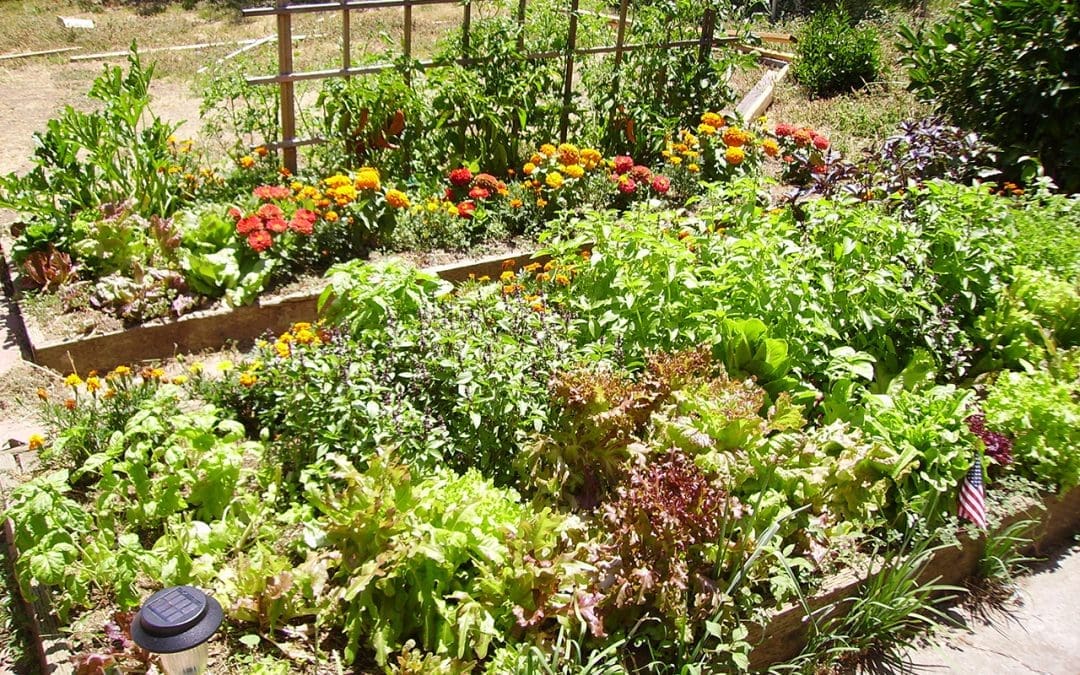
Summer is peak growing season for many plants, but it’s also the time of year when gardens are most vulnerable to heat stress, drought, and pest pressure. Intense sun, high temperatures, and inconsistent rainfall create challenging conditions that can quickly turn a thriving garden into a struggling one. Knowing how to help your garden survive summer means understanding what your plants need when conditions are at their most demanding, and making proactive adjustments before problems develop.
Why It Takes Intentional Effort to Help Your Garden Survive Summer
Gardens don’t coast through summer on autopilot. The combination of heat, UV exposure, and water stress that defines summer in most regions pushes plants to their limits. Watering schedules need to change, mulch becomes critical, and plant placement suddenly matters in ways it didn’t before. Homeowners who take a proactive, attentive approach to summer garden care consistently see better results than those who rely on the same routine year-round. The plants you invested in deserve the attention it takes to carry them successfully through the season’s hardest stretch.
Water Deeply and Consistently to Help Your Garden Survive
Water management is the single most important factor when trying to help your garden survive summer heat. The instinct to water more frequently is understandable, but often counterproductive. Frequent shallow watering encourages roots to stay near the surface, where they’re most vulnerable to heat and drought. Deep, infrequent watering encourages roots to grow deeper into cooler soil layers where moisture is more consistent, making plants significantly more resilient during dry spells.
Water in the early morning whenever possible, this minimizes evaporation loss, allows foliage to dry before nightfall reducing fungal disease risk, and delivers water to roots during the coolest part of the day when plants can most effectively absorb it. For vegetable gardens and flower beds, drip irrigation or soaker hoses deliver water directly to the root zone with minimal waste. Check soil moisture before watering by pressing a finger an inch into the soil, if it’s still moist, hold off until it dries out slightly.
Mulch Is One of the Best Tools to Help Your Garden Survive Heat
If there’s one summer garden strategy that delivers a disproportionately large return for minimal investment, it’s mulching. A two to three inch layer of organic mulch applied around plants and throughout garden beds does several critical things simultaneously. It insulates the soil against temperature extremes, retaining moisture significantly longer than bare soil and keeping root zones cooler during the hottest parts of the day. It suppresses weeds that compete with your plants for water and nutrients. And as organic mulch breaks down, it improves soil structure and fertility over time. Apply mulch in early summer before peak heat arrives if possible, and replenish it throughout the season as it breaks down. Keep mulch a few inches away from the base of plant stems to prevent moisture accumulation that could lead to rot.
Protect, Prune, and Feed Strategically
Shade cloth is an underused tool that could make a meaningful difference for heat-sensitive plants like lettuce, spinach, and certain herbs that bolt quickly in intense summer sun. A 30 to 50 percent shade cloth supported over vulnerable beds during the hottest weeks of summer extends their productive life considerably. Relocating potted plants to shadier spots during heat waves is equally effective for container gardens. Summer pruning of spent blooms encourages flowering plants to continue producing rather than putting energy into seed development. Remove any dead, damaged, or diseased foliage promptly to improve airflow and reduce the pest and disease pressure that intensifies in warm, humid conditions.
Fertilizing during summer requires a lighter touch than in spring. Heat-stressed plants don’t need or benefit from heavy feeding; a balanced slow-release fertilizer or light application of compost provides steady nutrition without pushing tender new growth that’s vulnerable to heat damage. Container plants, which deplete nutrients faster through frequent watering, benefit from a diluted liquid fertilizer applied every two weeks throughout the growing season.
Taking the time to actively help your garden survive summer pays off in healthier plants, better yields, and a garden that enters fall in strong shape rather than exhausted and depleted.
Frequently Asked Questions (FAQs)
What is the most important thing to do to help your garden survive summer?
Consistent, deep watering is the single most critical factor. Watering deeply and infrequently encourages strong root systems that are more drought-resistant and heat-tolerant.
How often should I water my garden in summer?
Frequency depends on your soil type, climate, and plant varieties, but as a general rule, most garden plants benefit from deep watering two to three times per week in summer rather than light daily watering.
Does mulching really help a summer garden that much?
Yes, significantly. Mulch reduces soil temperature, retains moisture, suppresses weeds, and improves soil health as it breaks down. Studies show that mulched garden beds retain moisture up to 70 percent more effectively than bare soil.
Which plants struggle most in summer heat, and what can I do?
Cool-season crops like lettuce, spinach, cilantro, and peas struggle most in summer heat and tend to bolt quickly. Shade cloth, early morning watering, and planting in naturally shaded areas extend their viability.
How can I help my garden survive a heat wave?
During a heat wave, water more deeply and move any containers to shadier spots. Add extra mulch if soil moisture is dropping quickly, install shade cloth over sensitive plants, and avoid fertilizing until temperatures moderate.
Imperial Inspection Services offers comprehensive home inspections to homebuyers and sellers in Central Iowa. Contact us to schedule an appointment.