
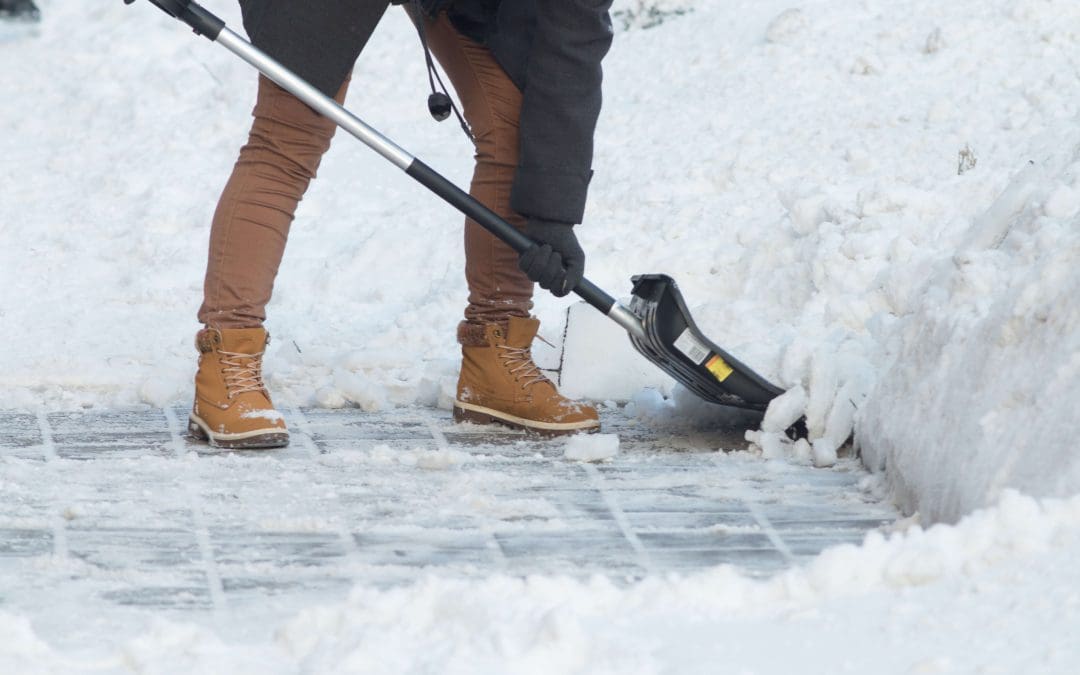
While a snow-covered yard may look picturesque, a frozen driveway poses a significant hazard for both pedestrians and vehicles. To keep your driveway safe, you must stay ahead of the weather by implementing a strategy that combines timely snow removal, effective de-icing, and proactive surface maintenance. Managing a driveway during the colder months is a crucial task for preventing slips and ensuring safe navigation of your property. By understanding the science of ice formation and implementing best practices for pavement care, you can maintain a secure environment throughout the winter.
Understanding the Risks and Solutions to Keep Your Driveway Safe
The primary challenge of winter driveway maintenance is the relentless cycle of freezing and thawing. When snow melts during a sunny afternoon only to refreeze at night, it creates a layer of “black ice” that is nearly invisible yet incredibly dangerous. To keep your driveway safe, you must address this moisture before it has the chance to solidify. This requires a proactive mindset where you treat the surface before the storm arrives or immediately after the snow stops falling. Preventing the initial bond between the ice and the pavement is far easier than trying to scrape away a frozen layer once it has taken hold. Furthermore, a clear driveway ensures that the sun’s natural warmth will reach the asphalt or concrete, which helps speed up the melting process during daylight hours.
Choosing the Right De-Icing Agents for Your Surface
Not all melting agents are created equal, and selecting the wrong one may lead to expensive damage to your driveway or your landscaping. Traditional rock salt, or sodium chloride, is the most common and affordable option, yet it is only effective down to about 15 degrees Fahrenheit. Below that temperature, you may need to look toward calcium chloride or magnesium chloride, which will melt ice in much more extreme cold. It is also important to consider the environmental impact of these chemicals. Many homeowners are turning to calcium magnesium acetate because it is less corrosive to concrete and much safer for pets and nearby vegetation. If you prefer to avoid chemicals altogether, spreading sand or birdseed can provide the necessary traction to prevent slips, even if it doesn’t melt the ice. Integrating traction with melting power is often the most balanced approach.
Strategic Shoveling to Prevent Ice Accumulation
Effective snow removal is about timing and technique. One of the best ways to guarantee a clear path is to shovel frequently during a heavy storm rather than waiting for the snow to finish falling. When you allow snow to sit on the driveway, the weight of the accumulation compresses the flakes into a dense, icy pack that is much harder to remove later. You should also be mindful of where you pile the snow. Avoid creating large mounds at the high point of your driveway, as these will eventually melt and send a stream of water across your pavement that will likely refreeze into a dangerous ice patch overnight. Instead, aim to move the snow to a lower area where the runoff will drain away from your walking and driving surfaces.
Long-Term Maintenance to Keep Your Driveway Safe From Damage
Before the winter season officially begins, you should inspect your pavement for any openings where water could seep in. When water enters a crack and freezes, it expands, causing the crack to widen and eventually leading to significant structural damage known as heaving. By sealing these cracks, you keep your driveway safe from the destructive power of the freeze-thaw cycle. A smooth, well-sealed surface also makes shoveling much easier, as your blade will not get caught on uneven edges or loose pieces of asphalt. Investing in professional sealing every few years provides a protective barrier that repels water and prevents the deep-seated damage that makes winter maintenance so difficult for many homeowners.
Addressing Drainage and Runoff Issues
If your driveway is designed without a clear path for water to escape, you will constantly battle localized icing. Ensure that your gutters and downspouts are directed away from your driveway to prevent large volumes of water from pooling onto the pavement. Sometimes, a simple adjustment to the surrounding landscape will make a world of difference in how water moves across your property. When you control the flow of water, you eliminate the source of the ice, which is the most effective long-term strategy for maintaining a safe and accessible entry to your home throughout the coldest months of the year.
Frequently Asked Questions (FAQs)
Is it safe to use rock salt on a brand-new concrete driveway?
It is generally recommended that you avoid using rock salt or any chemical de-icers on concrete that is less than a year old. For new surfaces, use sand for traction and a plastic shovel to avoid scratching the finish.
How can I stop ice from forming at the end of my driveway where the plow passes?
To minimize this, shovel a large area to the right of your driveway entrance, along the street curb. This creates a “pocket” where the snow from the city plow will fall before it reaches your actual driveway opening.
Will vinegar or hot water work as a DIY de-icer?
While hot water will temporarily melt ice, it is generally a bad idea because it adds more moisture to the surface, which will refreeze into a smoother, more hazardous layer of ice. Vinegar will lower the freezing point of water slightly, but it is not a powerful enough de-icer for significant accumulations.
Imperial Inspection Services offers comprehensive home inspections to homebuyers and sellers in Central Iowa. Contact us to schedule an appointment.